


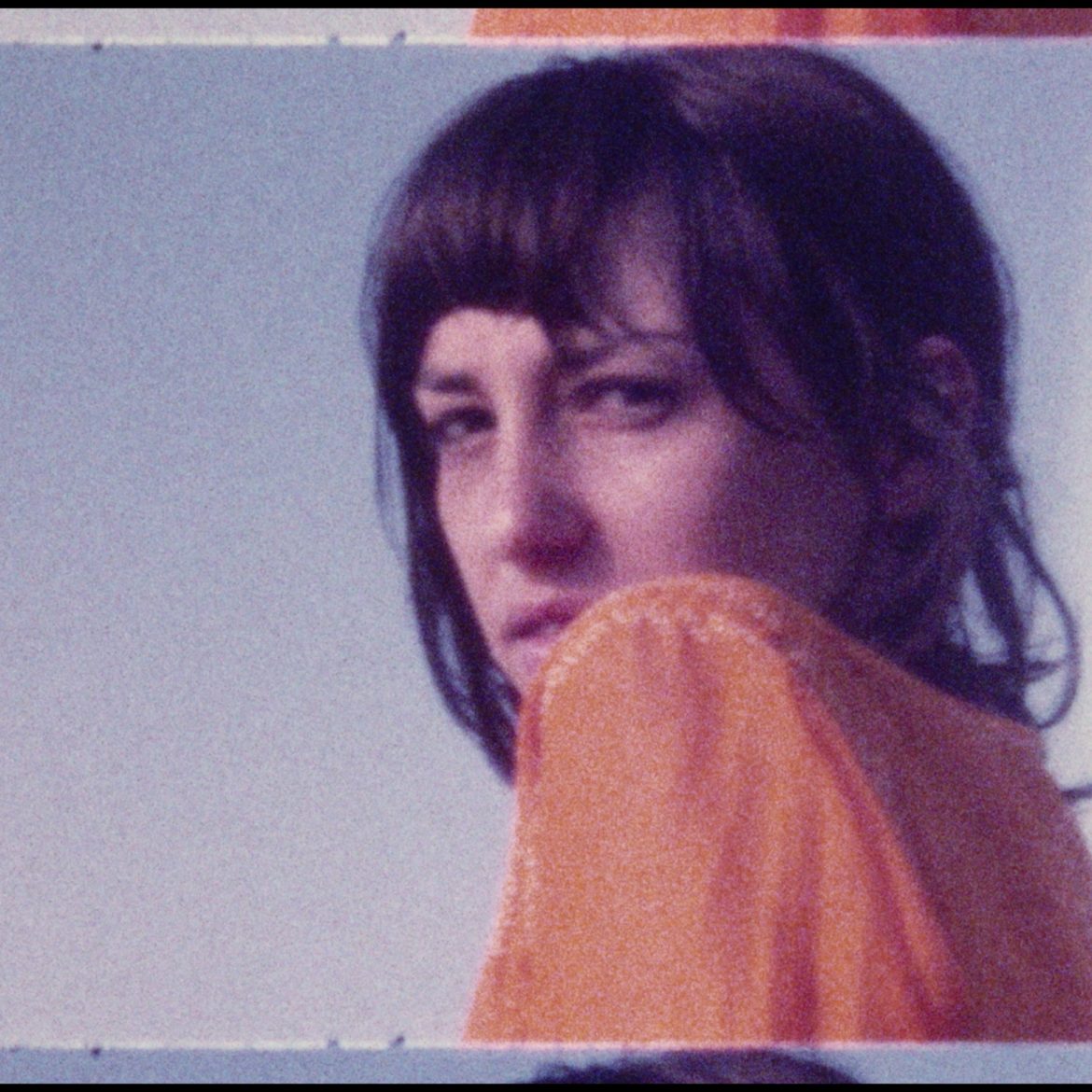
Resources on Women in amateur films
Diazinteregio’s members have been working for many years to showcase their collections of regional film heritage. On the Amorce platform, we have grouped their work into common themes. You will also find many specific articles on key issues relating to women in amateur, institutional and activist films on each Diazinteregio member’s website, as well as montages of archive films and live recordings produced by our members and published on Amorce
Articles
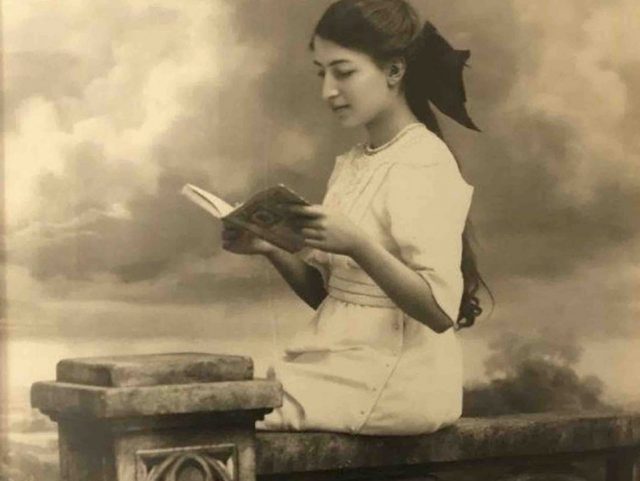
In an amusing coincidence, Marguerite was born at the same time as cinema, in the same year as the first film screening in Alsace, a few months after the Lumière brothers' public screening on Boulevard des Capucines in Paris. But we know that cinema was long the preserve of men, both in professional cinema (although there were notable exceptions such as Alice Guy, the first female director in the history of cinema, who filmed for Gaumont from 1896 onwards) and in amateur cinema. In the MIRA archives, she is a brilliant pioneer, the author of a beautiful collection of amateur films shot from the 1930s to the 1950s.

‘Women: Get to Work!’ With this slightly provocative title, a film conference developed in 2023 by a joint team from Bretagne Culture Diversité and the Cinémathèque de Bretagne explored the place of women in the world of work from the 1940s to the 1970s in Brittany. While the amateur filmmaker's gaze glides over these hard-working women without really seeing them, they do not hesitate to take up the camera to make themselves heard and find their place.
Creative project based on the love between two women in the 1920s and 1930s
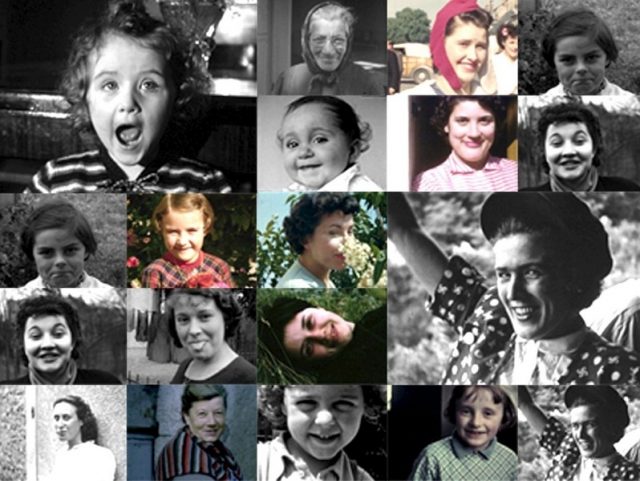
Through images collected and preserved by Ciclic, Marie Dupont tells her story spanning the 20th century.
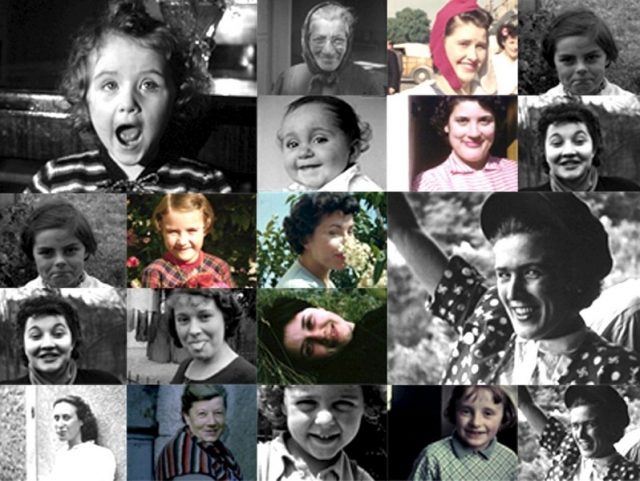
Through images collected and preserved by Ciclic, Marie Dupont tells her story spanning the 20th century.
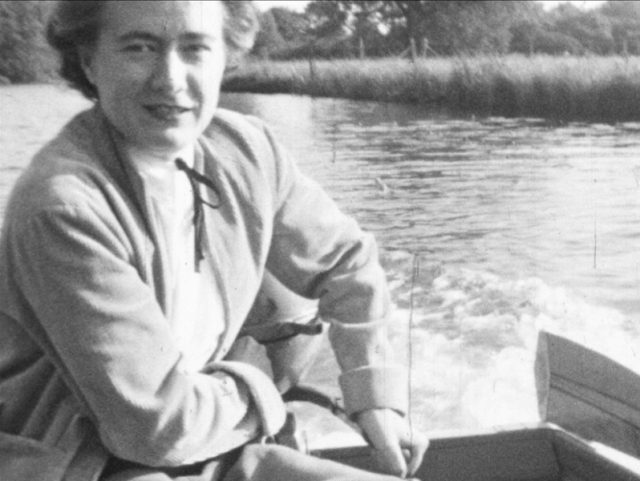
Portrait of filmmaker Hélène Genin
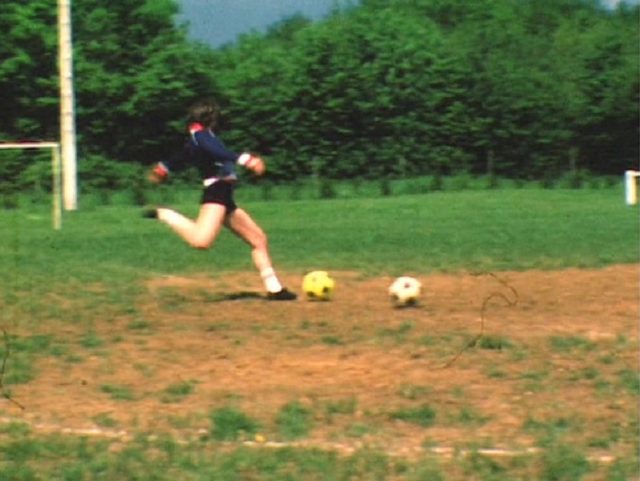
Women's football in the Centre-Val de Loire region
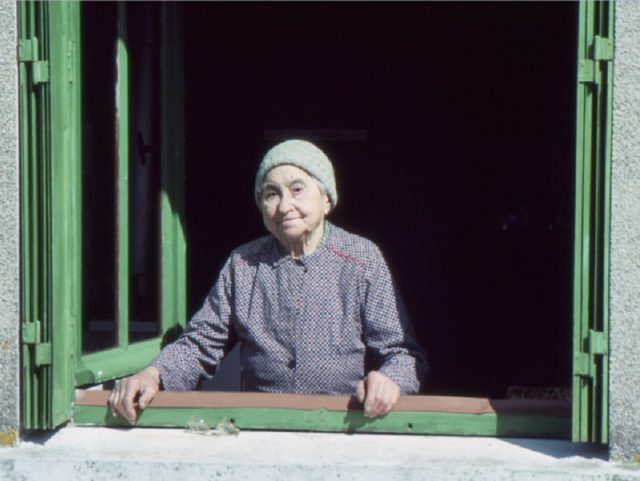
Louisa Toreau, alias “Germaine”, recounts her life as a woman who lived through the 20th century.
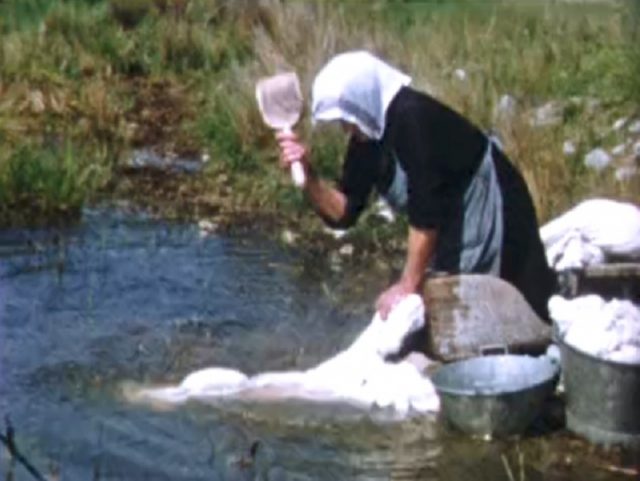
Washerwomen in the Centre-Val de Loire region
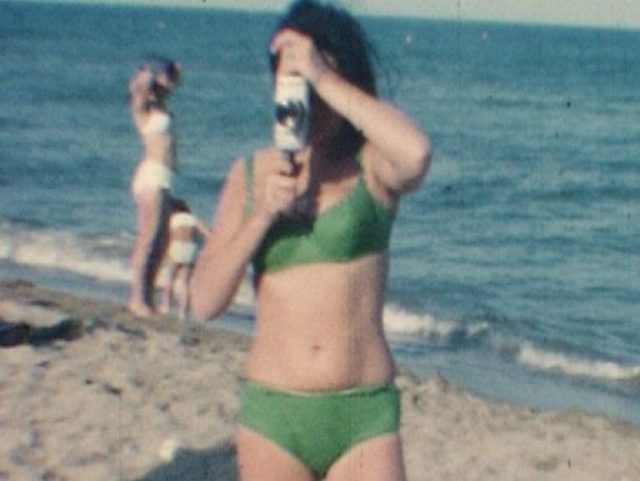
Portraits of women filmmakers
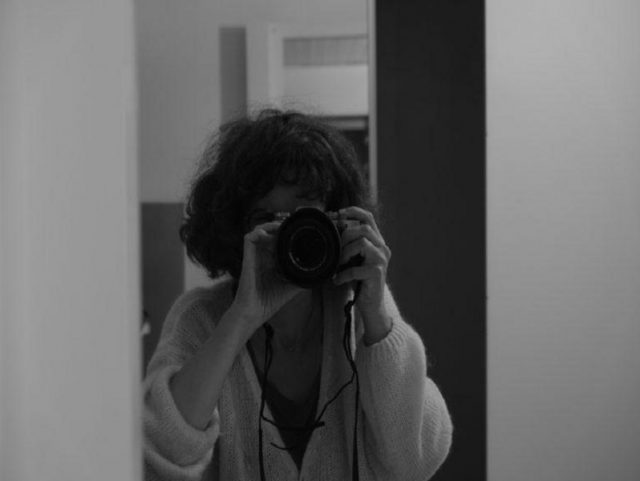
Interview with Julie Biro, artist in residence at CICLIC for her project on Violette Nozière.
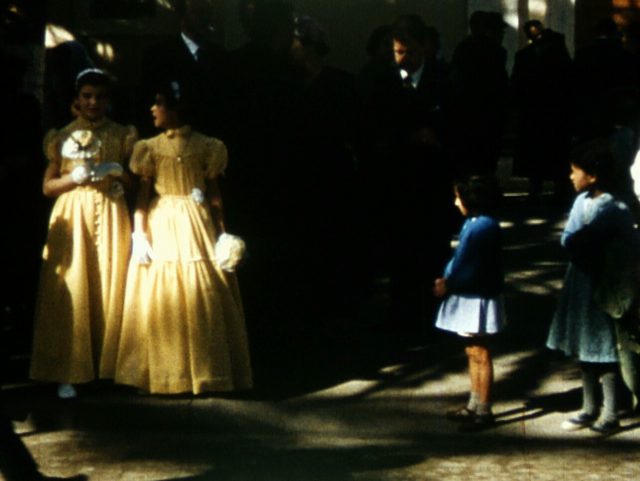
Weddings, christenings, children's first steps, skiing holidays... Self-taught Claire Sauvage tirelessly filmed her family's most precious moments throughout the 1950s. These 9.5 mm films also show landscapes and events in the town of Saint-Valery-sur-Somme. Claire Sauvage's eldest daughter, Monique, recalls rainy Sunday afternoons, special moments when the whole family gathered to watch the filmmaker's films.
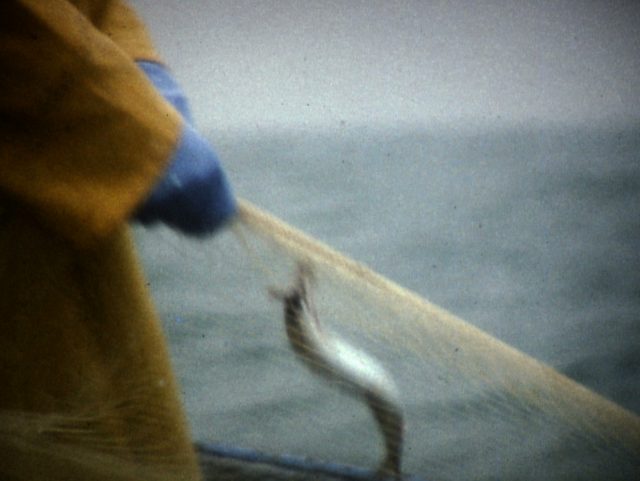
Jeanine Bourgau made the audio documentary film Les Harengs (1978) and then L'Étoile du matin (1981), whose images remained in the form of rushes. What do they have in common? The world of fishermen, from which the Crotelloise hails, keen to pass on an intimate story that is now part of a historical narrative and collective memory.
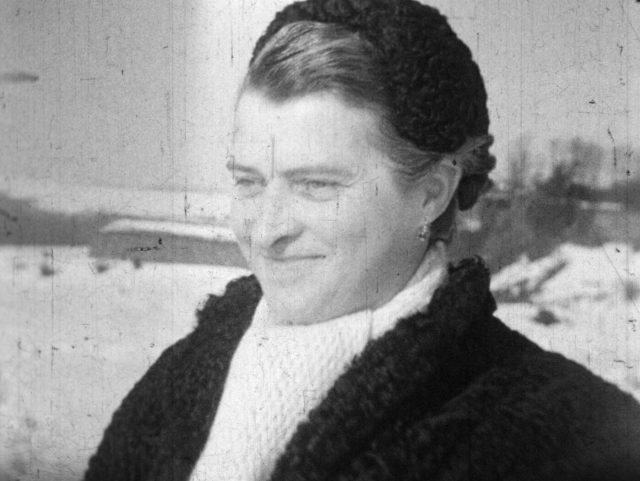
Paulette Lefebvre was quite a character. Born in 1910, the young woman made her first film at the age of 22: a fiction. From 1937 to 1959, she documented the significant events in her town, Montreuil-sur-Mer. Close to her nieces and nephews across two generations, she shared her adventures with them, and above all her films. Roger Damour, her nephew, and Jérôme Damour, her grandnephew, still remember: the film getting stuck during projection, the anecdotes, the moments spent together.

After suffragettes and female ministers, Michèle Dominici turned her attention to housewives during France's post-war economic boom. In her new documentary, ‘L'histoire oubliée des femmes au foyer’ (The Forgotten History of Housewives), the director takes on a seemingly impossible challenge: to portray these women whose ‘lives were discreet, invisible because they were so ordinary’. By bringing together diaries, home movies and television archives, she candidly addresses issues such as assignment, alienation and depression, but also emancipation. An intimate and politically charged film that is deeply moving.
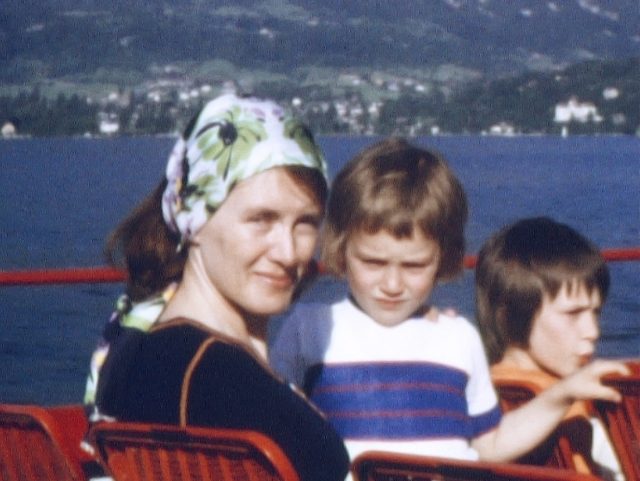
At the preview screening of the film Les années Super 8 on 21 June 2022 at the Forum des Images in Paris, Annie Ernaux and her son David Ernaux-Briot discussed the secrets behind the making of this 61-minute documentary, which they produced together using family archives. It was an opportunity for Ernaux, who would go on to win the Nobel Prize in Literature a few months later, to talk about the defining years of her life. The film was released in cinemas in December 2022.
Originally from Brazil, Beatriz Rodovalho defended her thesis in 2018 on the reuse of amateur films based on the work of Hungarian filmmaker Péter Forgács, author of ‘The Bartos Family’ (1988), among others. Drawing on the re-editing of family films, she analysed the migration of these images from a private context to a collective, political and artistic context. Beatriz Rodovalho now teaches in the film department at the University of Amiens and coordinates the ‘Amateur Audiovisual Practices’ research group with Giuseppina Sapio at the Ircav research laboratory at Paris 3 University. Thanks to their work, the field of study opened up by theorist Roger Odin is being updated and expanded.
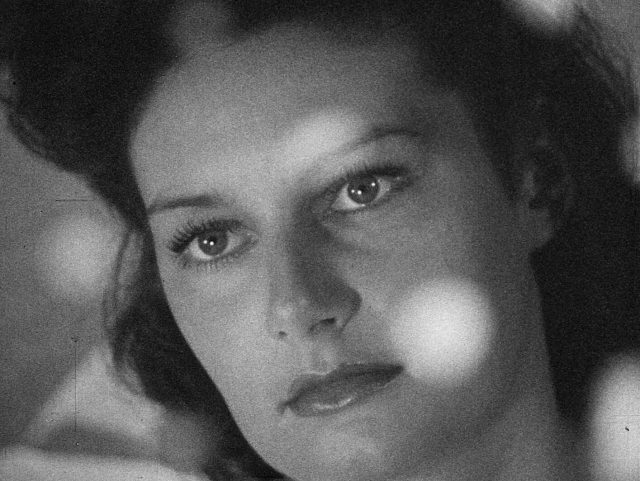
When writing rubs shoulders with documentary imagery...
Sometimes friction turns into conflict, and instead of opening up new perspectives, the two narratives end up at war with each other. The friction – which was supposed to shake things up and improve them – becomes sterile.
Rather than superimposing the text onto the image that inspired it, they must be placed side by side, at a slight distance, so that their gazes meet and enrich each other. The face comes alive in the image, the voices bring the text to life. The same sad waltz draws us into the meanders of memory and dreams.
Sometimes friction turns into conflict, and instead of opening up new perspectives, the two narratives end up at war with each other. The friction – which was supposed to shake things up and improve them – becomes sterile.
Rather than superimposing the text onto the image that inspired it, they must be placed side by side, at a slight distance, so that their gazes meet and enrich each other. The face comes alive in the image, the voices bring the text to life. The same sad waltz draws us into the meanders of memory and dreams.
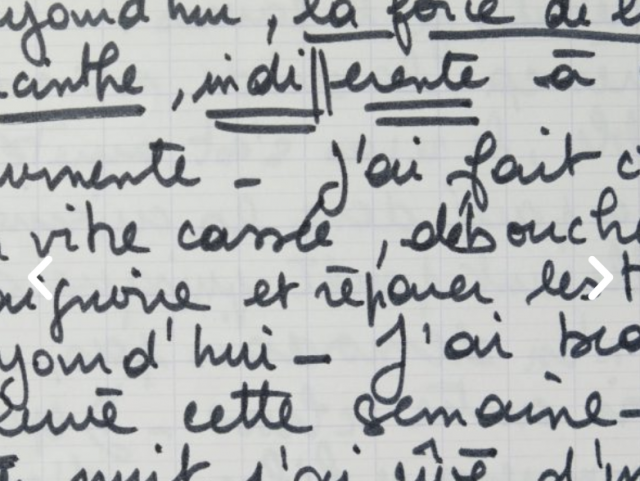
Franco-Algerian relations, social housing estates, social movements... For nearly forty years, Dominique Cabrera's sensitive eye has been witnessing a history in perpetual motion, where collective epics and family tragedies nestle and rub shoulders. From feature films to documentaries, personal essays to improvised films, she explores a variety of forms and delivers a rich body of work that creates an intimate memory with universal appeal.
In her filmed diary Demain et encore demain (1995) and her family novel Grandir (Ô heureux jours) (2013), the filmmaker becomes a chronicler of everyday life, capturing and sharing moments of joy, doubt and sorrow. On the occasion of the retrospective dedicated to her by the Cinémathèque du documentaire de la BPI at the Centre Pompidou and the publication of the collective work Dominique Cabrera. L’intime et le politique (2021, De l’Incidence Éditeur), the director looks back on her autobiographical cinema.
In her filmed diary Demain et encore demain (1995) and her family novel Grandir (Ô heureux jours) (2013), the filmmaker becomes a chronicler of everyday life, capturing and sharing moments of joy, doubt and sorrow. On the occasion of the retrospective dedicated to her by the Cinémathèque du documentaire de la BPI at the Centre Pompidou and the publication of the collective work Dominique Cabrera. L’intime et le politique (2021, De l’Incidence Éditeur), the director looks back on her autobiographical cinema.
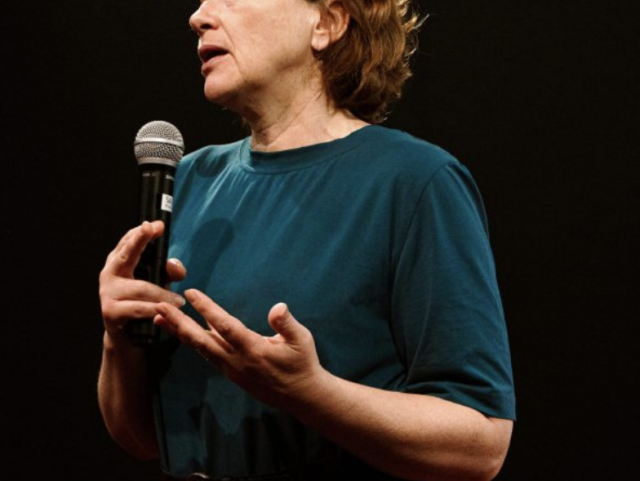
After serving as director of the Robert Lynen Film Library in Paris and president of the Federation of Film Libraries and Archives of France, Béatrice de Pastre now holds the position of deputy director of film heritage and director of collections at the CNC in Bois d'Arcy. Although so-called ‘family’ films remain marginal at the CNC, they nevertheless make it possible to ‘document some quite exceptional things’ and, as such, are given special attention. Among them are films by the doctor Jean Comandon and the Countess Greffulhe, as well as previously unseen scenes from behind the front lines during the First World War.
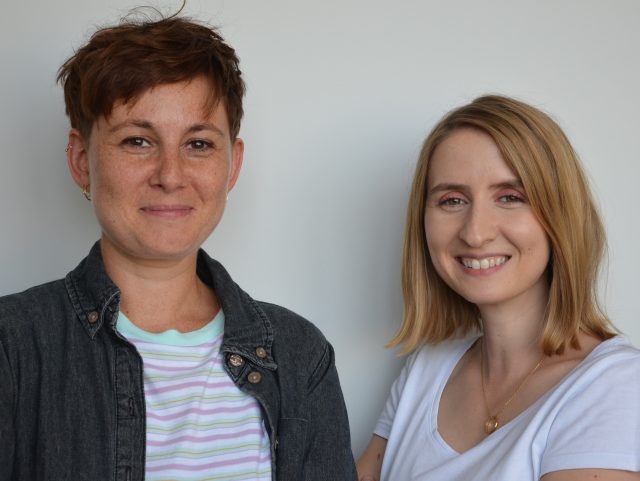
Joint interview with Juliette JUNG and Marie Cécile BOUGUET, documentalists at CC&C
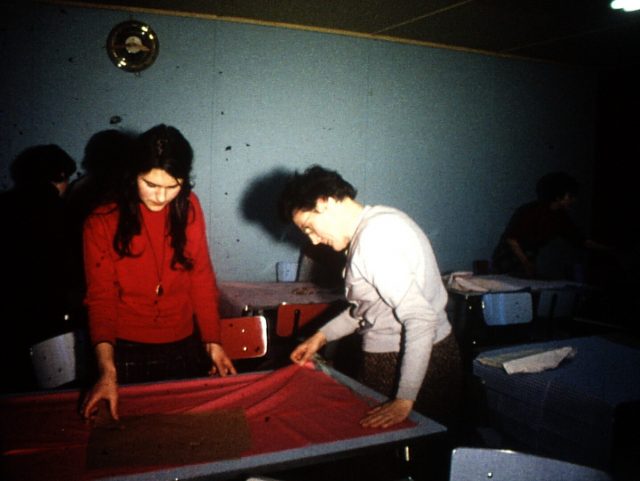
One is not born a woman, one becomes one. Simone de Beauvoir may well proclaim this, but it does not tell us how one becomes one...
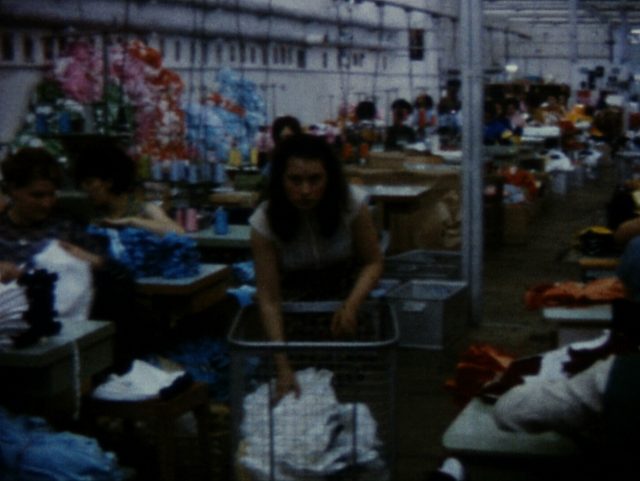
A brand new DS sits proudly near the garages. We are in the courtyard of the Depape factory. A textile factory in Santerre, located in the east of the Somme department, and, as in many industrial families of that era, the family home adjoins the factory...
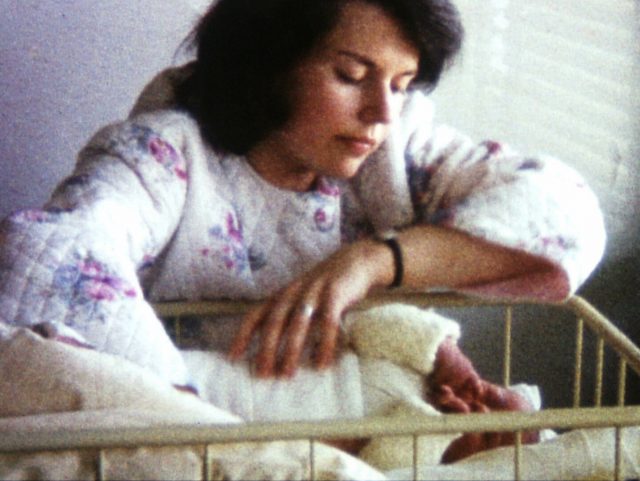
This is Bruno, at Félix Faure High School in Beauvais, a teenager full of promise, but it didn't happen on its own. Françoise helped his parents a lot, although we don't really know if they understood everything...
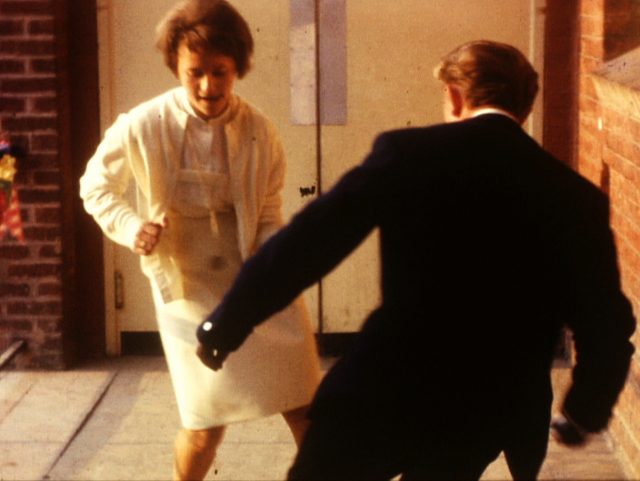
The solitary walker may encounter adventure... and it sometimes takes unexpected forms. At a flea market in the Oise region, the eye is drawn to a notebook and some film reels...
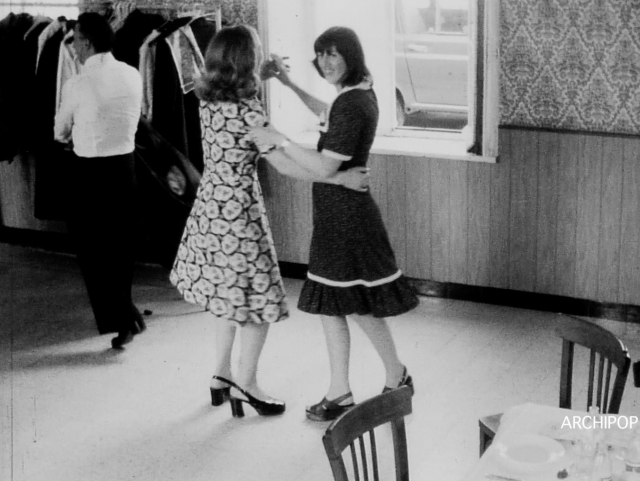
On International Women's Day, Archipop presented a programme of amateur film archives consisting of films made by female filmmakers, films depicting women at work, and films in which women play a central role.
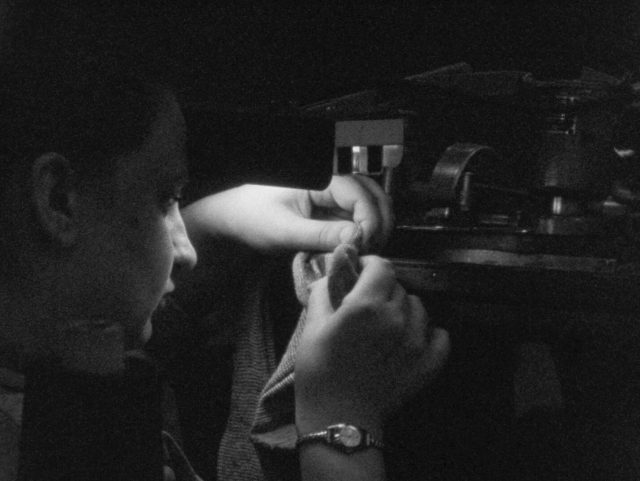
When writing meets documentary filmmaking...
One is from the South, the other from the North. One has travelled, the other hasn't, except to go from home to the factory and back. Their paths and stories cross in a sock factory, an unfairly despised clothing accessory, which will be the secret key to a path to salvation.
One is from the South, the other from the North. One has travelled, the other hasn't, except to go from home to the factory and back. Their paths and stories cross in a sock factory, an unfairly despised clothing accessory, which will be the secret key to a path to salvation.