



THE ENVIRONNEMENT IN AMATEUR FILMS, BY DOMINIQUE VOYNET, MEMBER OR PARLIAMENT FOR LES ECOLOGISTES (2ND CONSTITUENCY, DOUBS REGION) AND FORMER MINISTER OF THE ENVIRONMENT AND REGIONAL PLANNING
The environment has become political matter, in the noblest sense of the word, which questions our way of life - where we live, what we consume, how we travel - as our world faces climate disruptions like the floods in Valencia or Cyclone Chido. The scars of our harmful development are visible everywhere: urban sprawl, retail parks, dams on rivers, mining activities, intensive farming, oceans of plastic, etc.
Each of us has a unique, sensitive relationship with nature. We need to hone our vision and regain our desire and appetite for action. Amateur films provide us with a unique perspective on how people live in their environment and react to disasters, how they interact with plant and animal biodiversity in this new era of mass extinctions, how they feel when an ecosystem is destroyed and buried under tons of concrete in the name of modernisation or economic growth...
These films portray real situations, form part of our collective memory, and reveal the impact of human beings, who are sometimes bold, (often) destructive and (more rarely) seek to protect. They show us that we need to improve our regional planning methods, that we must change our way of life, not to “save the planet” - which doesn’t need our help to survive - but to make sure that it remains a welcoming place where we can live.
//////////////////////////////////////////////////////////////////////////////////////////////////////////////////////////////////////////////////
This selection of films is offered by members of the Diazinteregio network.
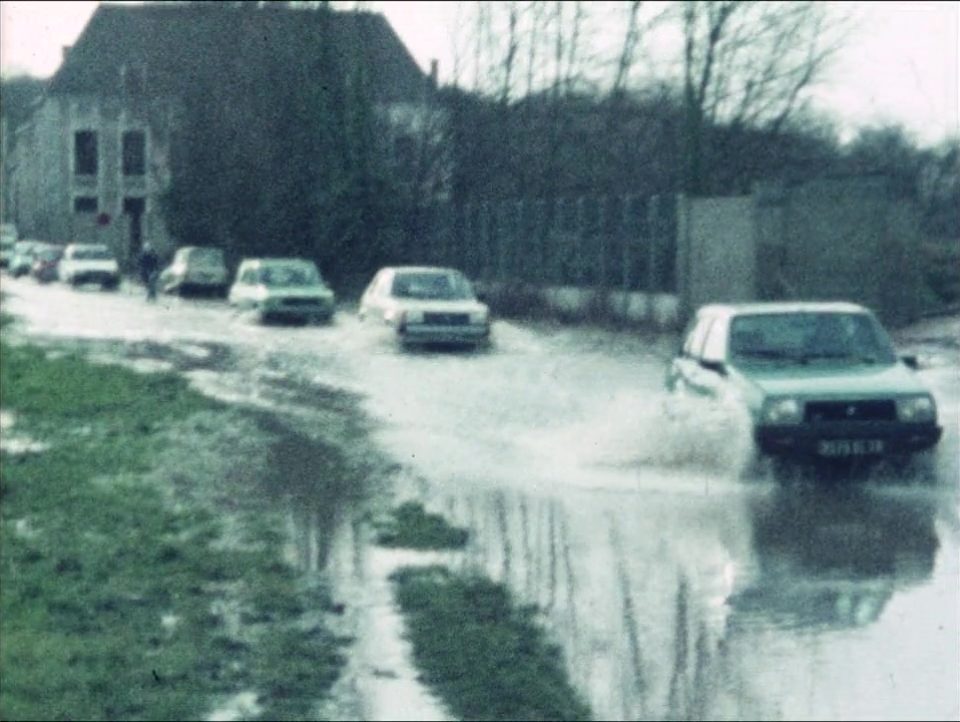
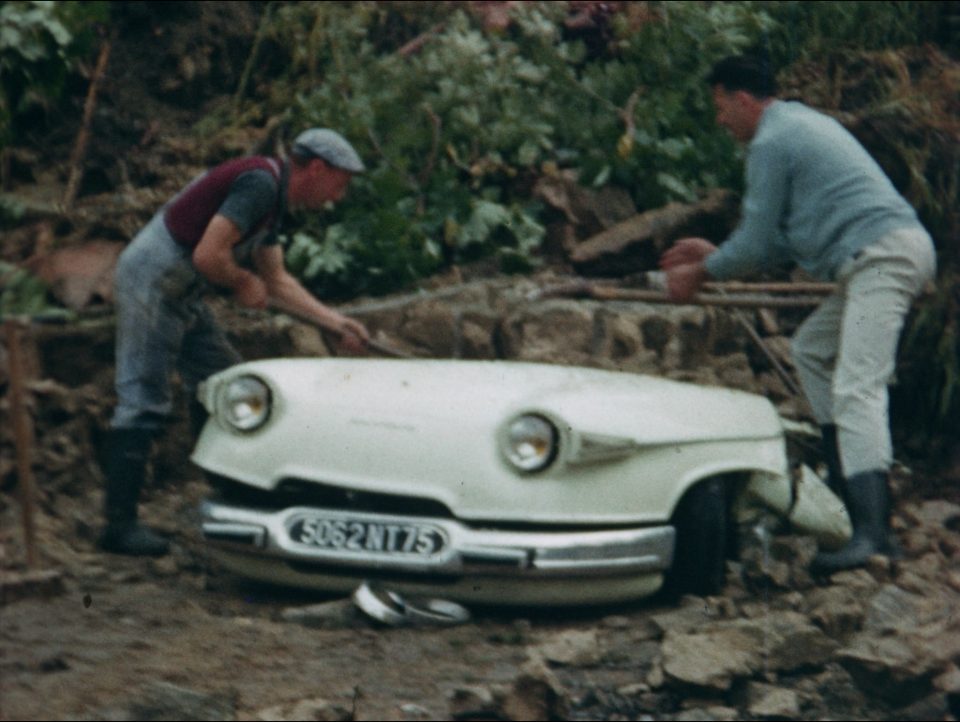
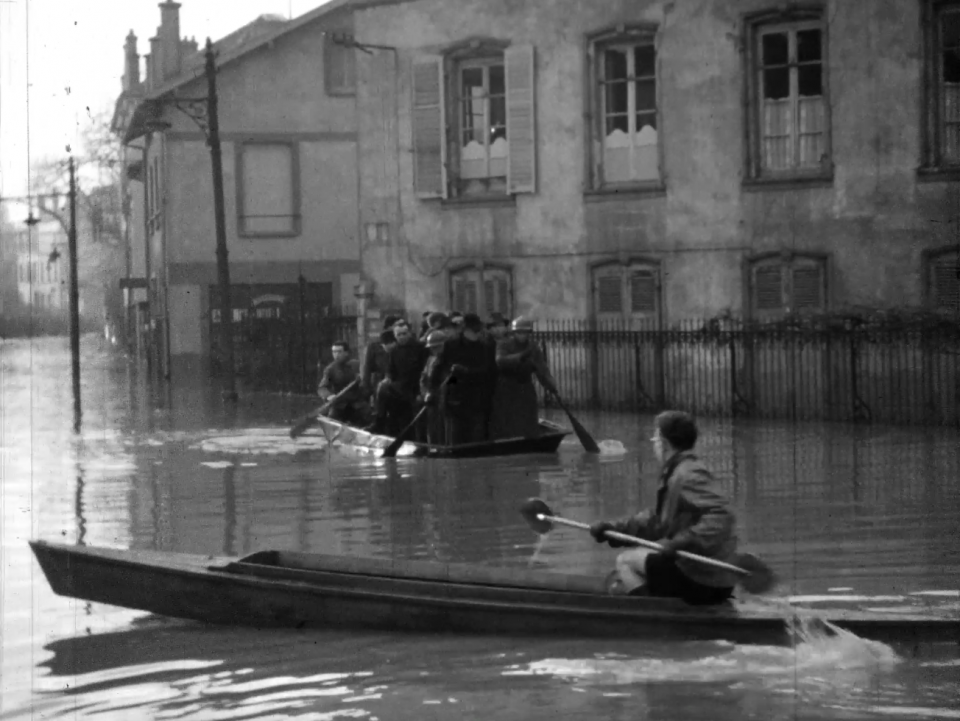
It includes films about floods, for example Inondations à Chartres (Ciclic) or Vacances 1963 (Cinémathèque de Saint-Étienne), which show how violent natural disasters can be. When amateur film-makers witness such events, they observe and record the catastrophe and its consequences. These films remind us that humanity has been confronted with extreme weather conditions for a long time. Les Grandes Inondations à Nancy (Image’Est), filmed in 1947 by Marcel Roung, shows Nancy engulfed by water, and is a striking record of the deluge that obliged residents to use rowing boats to travel around the flooded city.
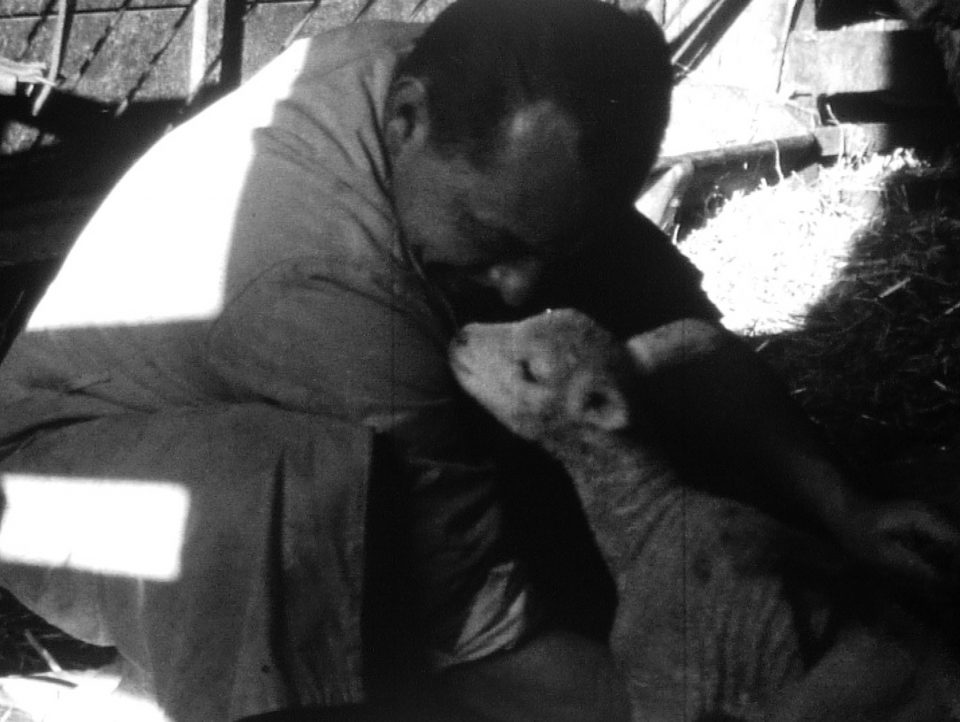
The relationship between human beings and nature is also a recurring theme. In Le vétérinaire en son milieu (Cinéam-Mémoire filmique d’Île-de-France), the camera captures the complex connection between people and animals. The scenes in this film show a vet caring for domestic animals, as well as our close coexistence with wild animals. This rather ambivalent relationship questions our position in the animal world.
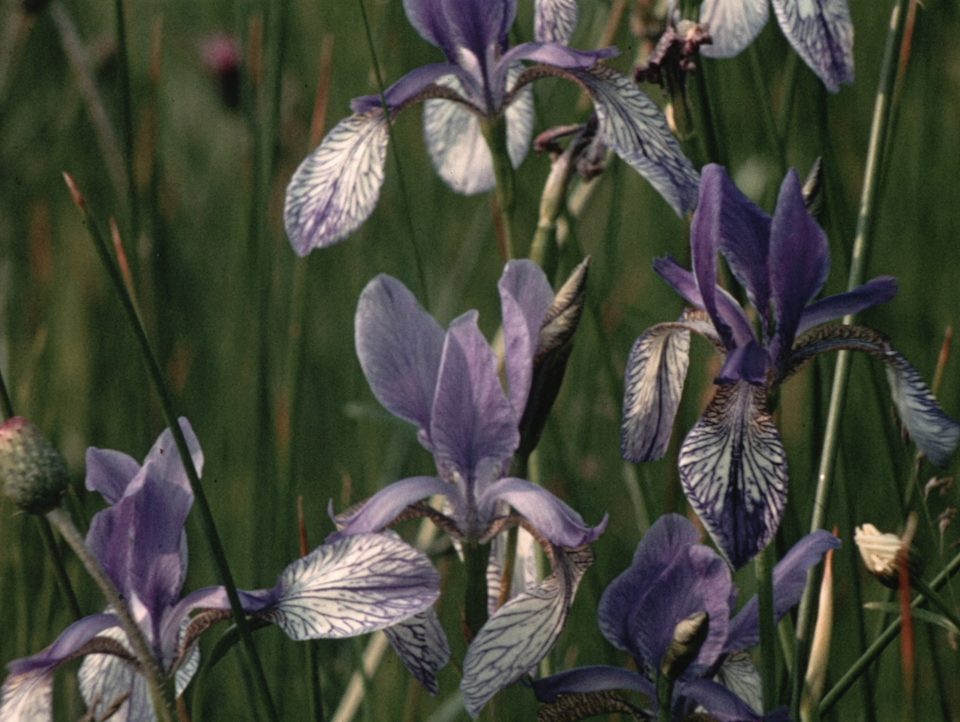
By contrast, the film Belles images du Ried (MIRA) portrays the Ried, a natural area in Alsace that is frequently flooded and shaped by the waters of the Rhine. Pierre Schmidt, a doctor and nature enthusiast, allows us to take a closer look at this unique ecosystem, which is a paradise for local plants and wildlife. During the 1960s, when intensive agriculture started to invade the region’s fertile lands, Schmidt realised how dangerous this transformation would be for these natural landscapes. With his camera, this amateur film-maker managed to capture the exceptional beauty and fragility of the Ried ecosystem.
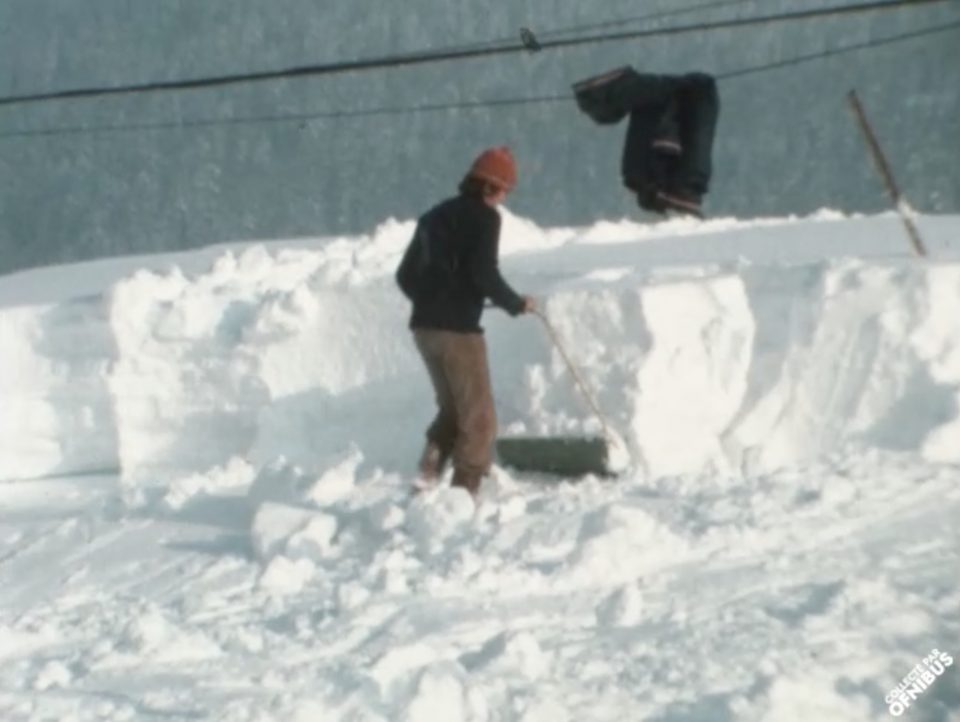
In the film Les 4 saisons à Bois d'Amont - l'hiver (OFNIBUS), which was made from 10 years of raw footage, the film-maker shares his vision of winter in one of the coldest areas of France, where the Doubs region borders Switzerland. These images show the harshness of winter - the ice, storms and heavy snow cover - as well as the resilience of the region’s inhabitants. Using hundreds of reels of film, he recorded the changing seasons, the plants and wildlife, and the activities and customs that set the tempo of local life. From acrobatics on the frozen lake, to massive walls of snow, to the determined postman braving severe weather - all these images bear witness to life in time with the changing seasons.
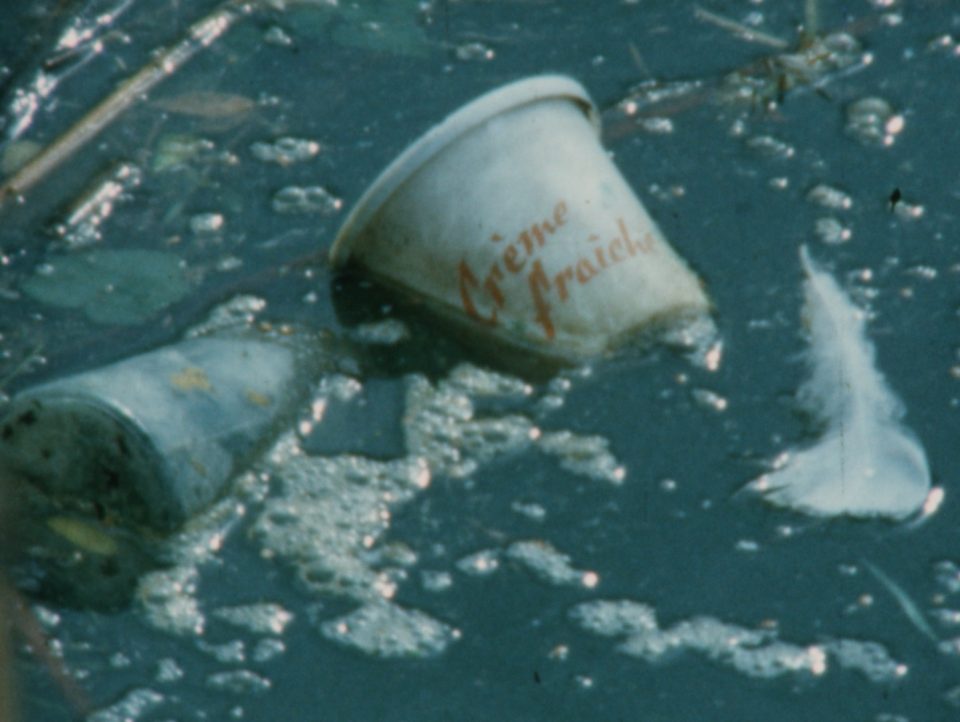
Amateur films also illustrate the growing concerns about ecology and pollution. Pour que vive l'eau (Cinémathèque des Pays de Savoie et de l’Ain) portrays the disastrous consequences of water pollution caused by human activity, for example discharging chemicals into Annecy lake, and how such actions can upset the fragile balance of an ecosystem. The film also highlights growing public awareness and the practical steps that have been taken to restore water purity and help the surrounding landscape recover.
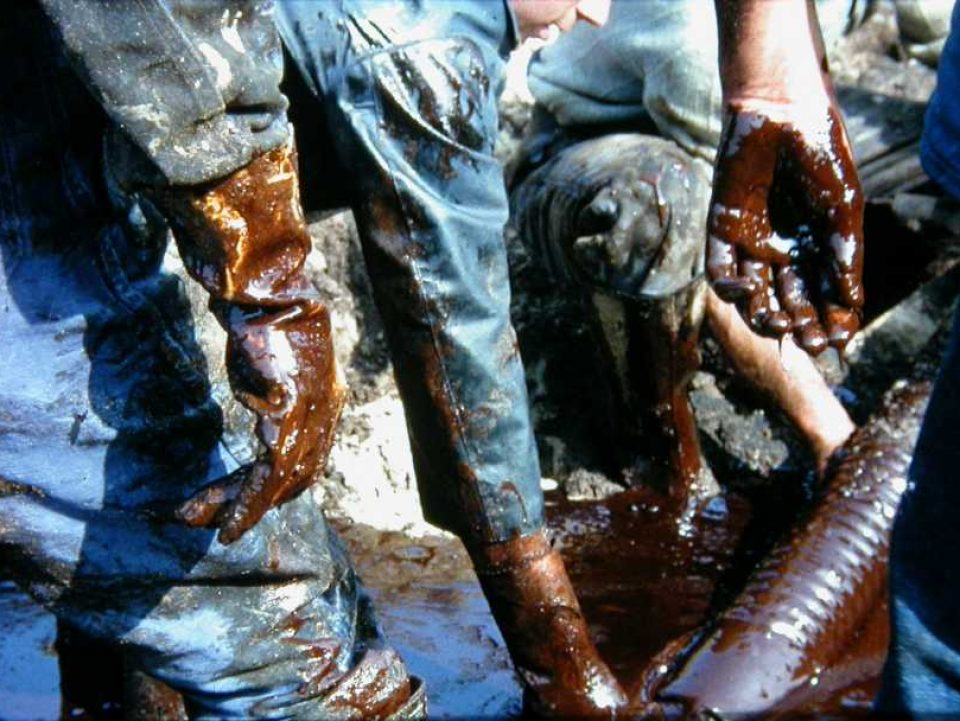
Although the film La lutte des enfants, des femmes, des hommes contre la marée noire (Cinémathèque de Bretagne) has no commentary, the spectator is fully immersed in the daily lives of local people as they battled to clear up the Torrey Canyon oil slick in April 1967. The aftermath of this shipwreck, which was the first major environmental disaster to strike Brittany, shows the thankless, difficult work carried out by the local population. The film shows the suffering of local residents and how they supported each other and worked together to clear up the disastrous oil spill that had polluted the coastline.
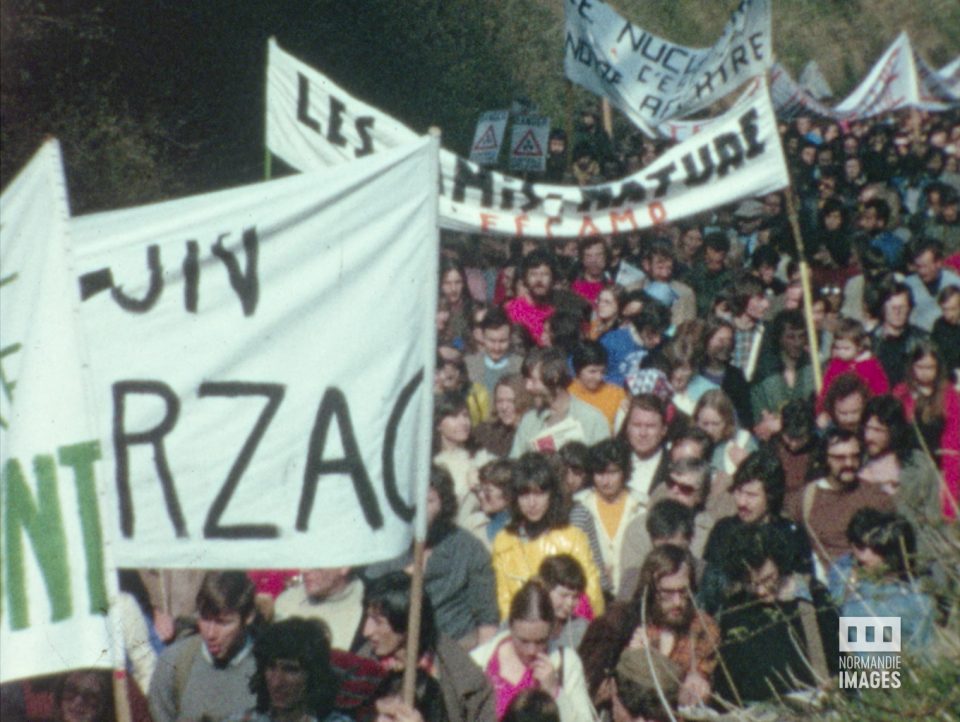
Jean-Marie Hamard, a modern languages student who had been living in a small house in a hamlet between Doudeville and Saint-Valéry-en-Caux (Normandy) since autumn 1975, joined the demonstrations on 25 and 26 June 1977 in the neighbouring village of Paluel, taking his camera with him: Paluel (1) (Normandie Images). The Paluel demonstrations were part of a wider, coordinated movement of anti-nuclear protests. The same day, demonstrations also took place in northern and eastern France, at Gravelines and Nogent-sur-Seine, before the planned summer rallies in Flamanville (Normandy), Gerstheim (Alsace), Naussac (Lozère), culminating with the Larzac protests on 14 August.
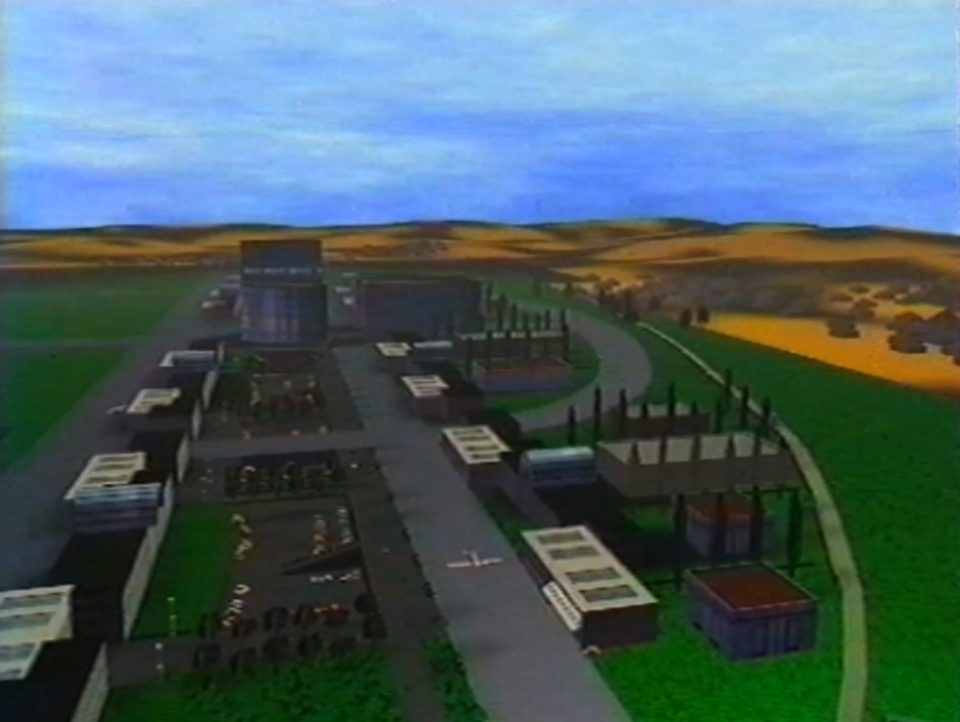
Other films like Aéropolis Paris-Beauvais (Archipop), which portrays the redevelopment of Beauvais airport, bear witness to urbanisation and its impact on the environment, at a time when economic aspirations completely overshadowed environmental concerns. This film, which was made in 1996, highlights the unrealistic vision of a future with no real consideration for the environment.
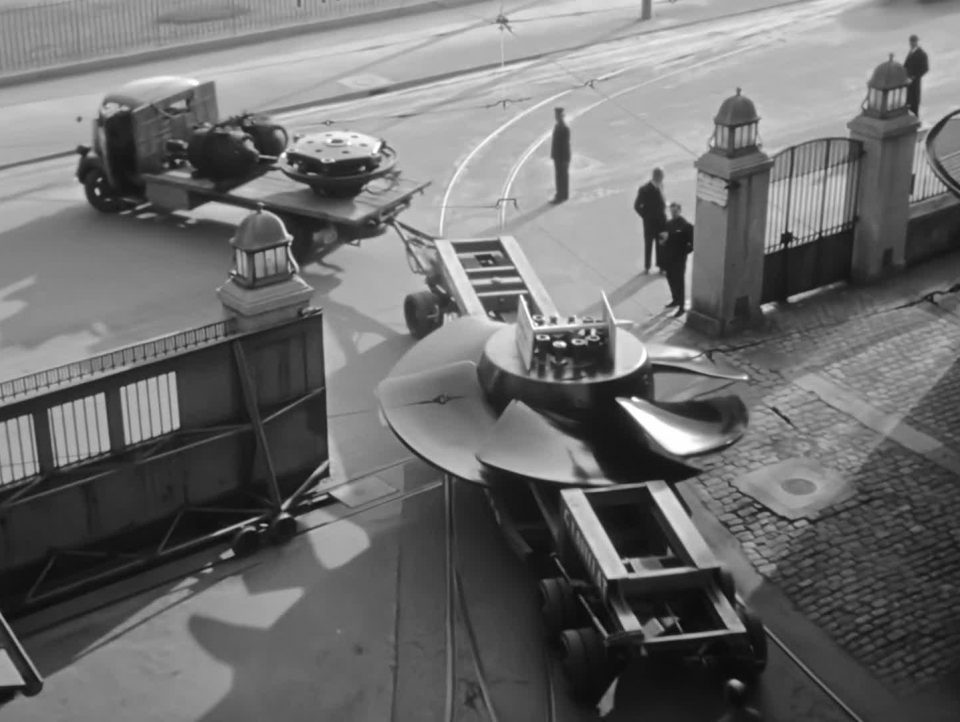
Lastly, amateur films also focus on ecology and the challenges of the energy transition, as well as on ecofeminism, thus offering a unique, often groundbreaking perspective on current environmental issues. These films do not simply portray the problems we face; they also show potential solutions combining innovation, cooperation and a sustainable vision for the future.
ENTRE2PRISES Métiers - Transport et traitement des Déchets (Fondation Autrefois Genève) is one example of this blend of past skills and modern technology. This film highlights the production of hydropower at Verbois dam, as well as the boom in solar energy. It plunges the spectator into a world where the energy transition is not just a technical requirement, but also a social and environmental necessity. Filmed in 2021, it shows how technological adaptation and European cooperation can converge to build a more sustainable future, by balancing economic development with environmental stewardship.
Ecofeminism, a school of thought that connects the fight for women’s rights with the battle to protect the environment, is also portrayed in the film Femmes et éco-développement - Nairobi juillet 1985 (Centre Audiovisuel Simone de Beauvoir). This film records the United Nations conference in Nairobi, where three women - an environmental educator, an ecology researcher and an agronomist - discuss natural resources and ecosystems. These leading figures in ecofeminism were the first women to link environmental issues with the fight for gender equality, by seeking to stop environmental destruction and, in parallel, reinforce the role of women in this conservation movement.